Home

Recent Posts

5 Best Ways to Clean Your Car Windows


Clean Your Car Windows

Most car windows are made of glass and tend to accumulate dust, dirt, moisture, and many sticky particles. Washing your car weekly is ideal for cleaning windows, yet other best practices can also be helpful.

After you wash your car, your windows may still have particles, smudges, and streaks. Here are the top 5 ways to help you get clean windows.   

  1. Newspaper and Glass Cleaner
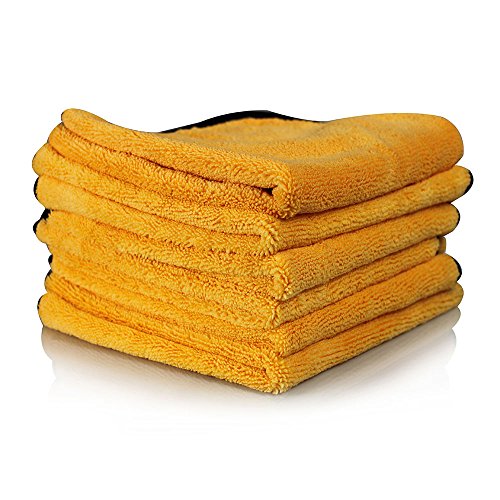
  2. Thick Microfiber Towel
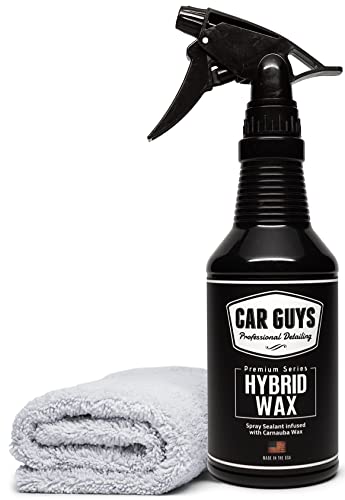
  3. Wax Application
  4. Squeegee and Towel
  5. Glass Cleaner

Let’s find out more details about how each method for cleaning car windows works.


1. Newspaper and Glass Cleaner

Paper is a fast and easy way to wipe windows if you don’t want to leave any streaks or lint. You don’t need to wash anything after and can leave the paper to dry and recycle it if using soap and water.

You may use soap and water to spray on the window, but try a car glass cleaner for a better clean. 

How does it work?

  • Use only one piece of newspaper at a time. (Try not to get it too wet.)
  • Lift the windshield wipers.
  • Some people like to leave it flat to absorb water quickly, but you may also scrunch it a bit and roll it around to a dry side to continue absorbing water well as you rub down the window.
  • It helps you avoid grease or other unwanted particles on your towels. The downside is your hands may get inky. 
  • INSIDE/OUTSIDE – This technique will work for both sides of the glass.

2. Thick Microfiber Towel

A thick microfiber towel is great for absorbing water. As you rub down the window, you’ll be more likely to prevent steaks since the water is absorbed so well. 

How does it work​?

  • Lift the windshield wipers.
  • Fold the microfiber towel so you can easily rub down the window, and turn the towel over to a dry side once you start to see any streaking. 
  • Sometimes a microfiber towel must be washed first to absorb water well. 
  • Be sure to use a towel that has only been used for cleaning water off the car since microfiber towels that are washed but look dirty are less effective at absorbing water and may have embedded dirt particles that may be harsh on some car surfaces.  
  • INSIDE/OUTSIDE – This technique will work for both sides of the glass.

3. Wax Application

This method is more preventative and useful as a cleaner. Several types of wax applications can be used on your car and windows. The wax will remain for about a week, but during that time will provide a protective layer for your glass so that when you wash it again, particles will wipe off much easier.

How does it work?

  • Lift the windshield wipers.
  • Apply a wax that specifies it’s OK for windows. Wipe until the wax is clear and the window is clean. (Use a towel that is different than the one used to wipe the water off the windows.
  • Try not to wipe the window or use the wipers unless they are needed. 
  • It should be fairly easy to wash your car or clean your windows within a week or so.
  • INSIDE/OUTSIDE – This technique will work on the outside. It may be unnecessary and use extra time and money if you use it on the inside. 

4. Squeegee and Towel

This is a fast technique for cleaning windows. It can help prevent water spots and avoids any harsh chemicals that some people use to clean their windows.

If you’re washing your car regularly, you may not need to clean the windows separately. Using a squeegee will effectively get most of the water off, and you can finish up with a microfiber towel for any missed spots.

How does it work?

  • Getting a quality squeegee can make a big difference. A long handle will make the job easier.
  • Lift the windshield wipers.
  • Start at the top of the windshield and continue to the bottom.
  • Apply enough pressure to effectively pull any water back and down as you move the squeegee towards you. 
  • Wipe off any excess water on the sides or missed spots. 
  • INSIDE/OUTSIDE – This technique will work outside of the glass.

5. Glass Cleaner

Glass cleaners are not all made equal. Make sure you use a glass cleaner that is specifically for cars to avoid rubber or paint damage over time.

Glass cleaners are good at helping remove particles and smudges. Use it as shown in the directions for best results.

How does it work?

  • Lift the windshield wipers.
  • Spray the glass cleaner in a shady area to avoid streaks, although it may not matter for some.
  • Wipe off the spray in an up and down, then right to left motion for best results. 
  • Apply liberally to help with the removal of the dirt.
  • Apply firm pressure since some particles will resist removal without that extra pressure.

Tips for a Great Clean

clean car window

Make sure you remember to follow a few tips for the best results when cleaning your car windows.

  • Wash your car first if you want to. 
  • Move to the Shade. This will help you get less chance of streaks.  
  • Use soap and water or paint and rubber-safe window cleaner. Avoid ammonia and acidic sprays such as vinegar or lemon. Ammonia can dry out rubber parts around windows and harm tinted windows. Acidic cleaning mixtures can damage paint and metal parts if left on them without washing them off.
  • Use a clay bar for a smooth polished finish without any sticky particles left over. (This Video shows using fine steel wool to polish off particles left over after washing. Some people also say that baking soda and water can work as well.) 
  • Clean your windshield wipers. Wipers need to be washed and wiped off with a rag that can get dirty since wipers can leave marks once they start to degrade and can be particularly dirty. 
  • Use a microfiber towel to help absorb water or a window cleaner. A thick or waffle-textured microfiber cloth can usually absorb water well. (If you use window cleaner, use a separate cloth for window cleaning only.)
  • Wipe up and down and left to right for a better clean and fewer streaks. 
  • Don’t forget the inside of your car and roll down the windows a bit to get to the top section. 
  • To finish up, you can use a wax or ceramic spray.

It can be rewarding to have a beautiful-looking car, and clean windows will help ensure your safety as you drive. Good luck with your efforts to clean your car windows and have a great-looking car.

Here are some products similar to the ones that I have used on my car (except for the glass cleaner – I haven’t tried that yet, but it looks like it works well). 


Products for your car windows

Clay BarThick Microfiber towelsWax for WindowssqueegeeGlass CleanerCeramic Spray Car Wax
 
AD

How, Who And Where Is Bugatti Made?


Bugatti Is Made

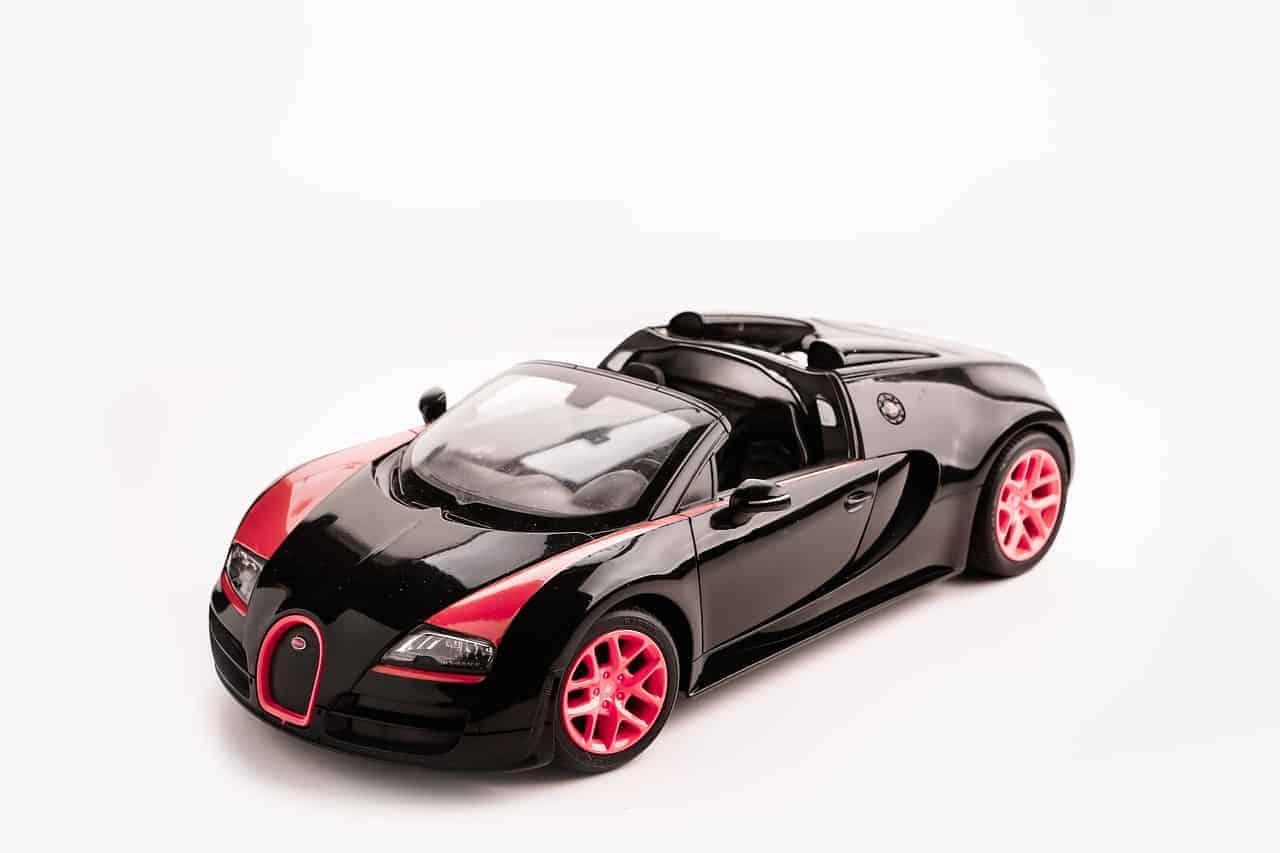
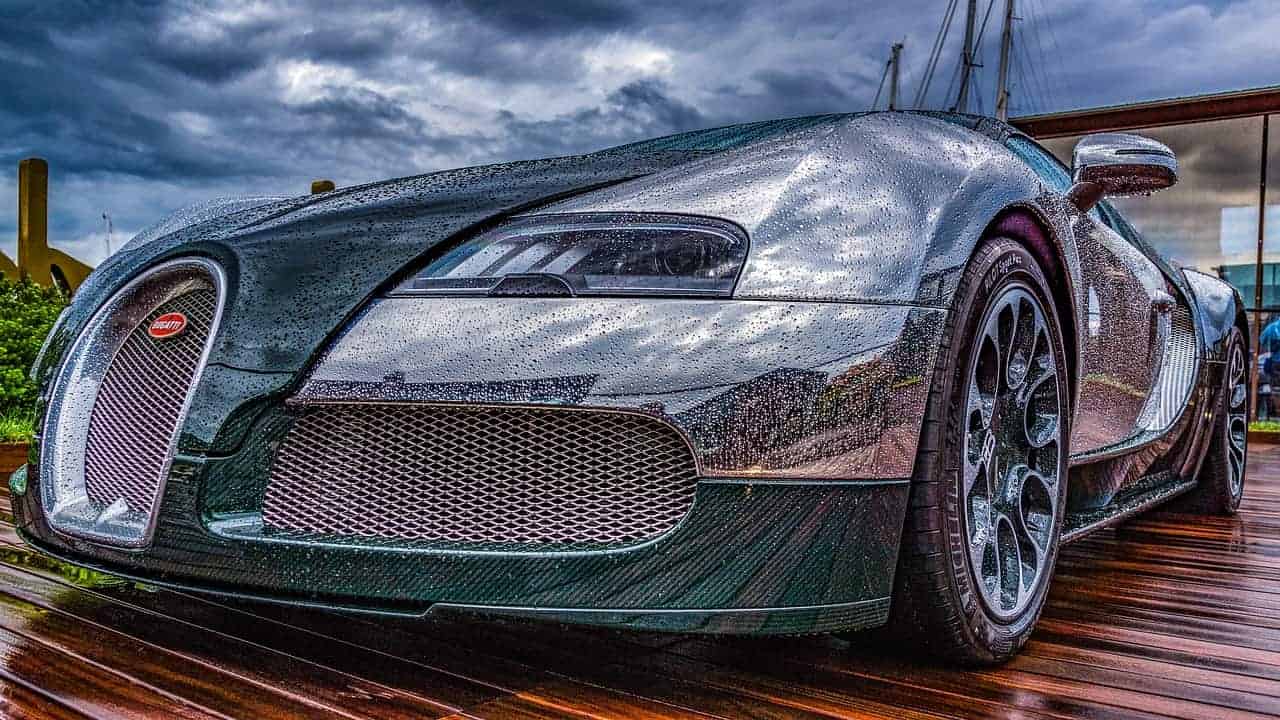
Which is your dream car? Let me guess, is it Bugatti? Bugatti is the fantasy of millions of people all around the world. If it is not yours, then I suppose you do not know much about Bugatti. This article presents updated information about how who, and where Bugatti was made.

Bugatti was founded in 1909 in the German town of Molsheim. This is now a part of France and is on the France-Germany border. It is being manufactured in the province of Alsace. Ettore Bugatti was the founder of the Bugatti Company. Afterward, his son Jean Bugatti successfully took over the position of head of the company.


When was Bugatti Founded?

Bugatti

Bugatti was founded in the year 1909. Ettore Bugatti is the founder of this company. It became a renowned race car company, as well as manufacturing street cars. It is being manufactured in the province of Alsace.

Ettore Bugatti was the founder of the Bugatti Company. Afterward, his son Jean Bugatti successfully took over the position of head of the company. He designed many sports cars and touring cars.​


Where was the Company Founded?

In 1909 the Company was founded in the German town of Molsheim. This is now a part of France and is on the France-Germany border. It was built with the help of Pierre de Vizcaya. In 1910, the company also started manufacturing airplane engines.


Who Owns Bugatti Now and Where is Bugatti Made?

Who-Owns-Bugatti-Now

Though Bugatti was founded in 1909, due to money problems, it was forced to shut down in the year of 1952. In 1987, an Italian man named Romano Artoli bought the rights to this company. He built one supercar called EB110. However, fortune did not support the company, and it shut down again in 1995.

In the end, Volkswagen took over Bugatti and decided to create the fastest car all around the world. They decided to make the fastest car in their company situated in Molsheim, France.

Volkswagen Auto Group owns Bugatti now. In the year 1999, Bugatti automobile SAS became a branch of this company. The headquarters of this is in Alsace, France. This company made the Veyron in 2001 and, most recently, the Chiron. 


Bugatti Chiron Car Facts

Some of the thought-provoking features of this car are as mentioned below: 

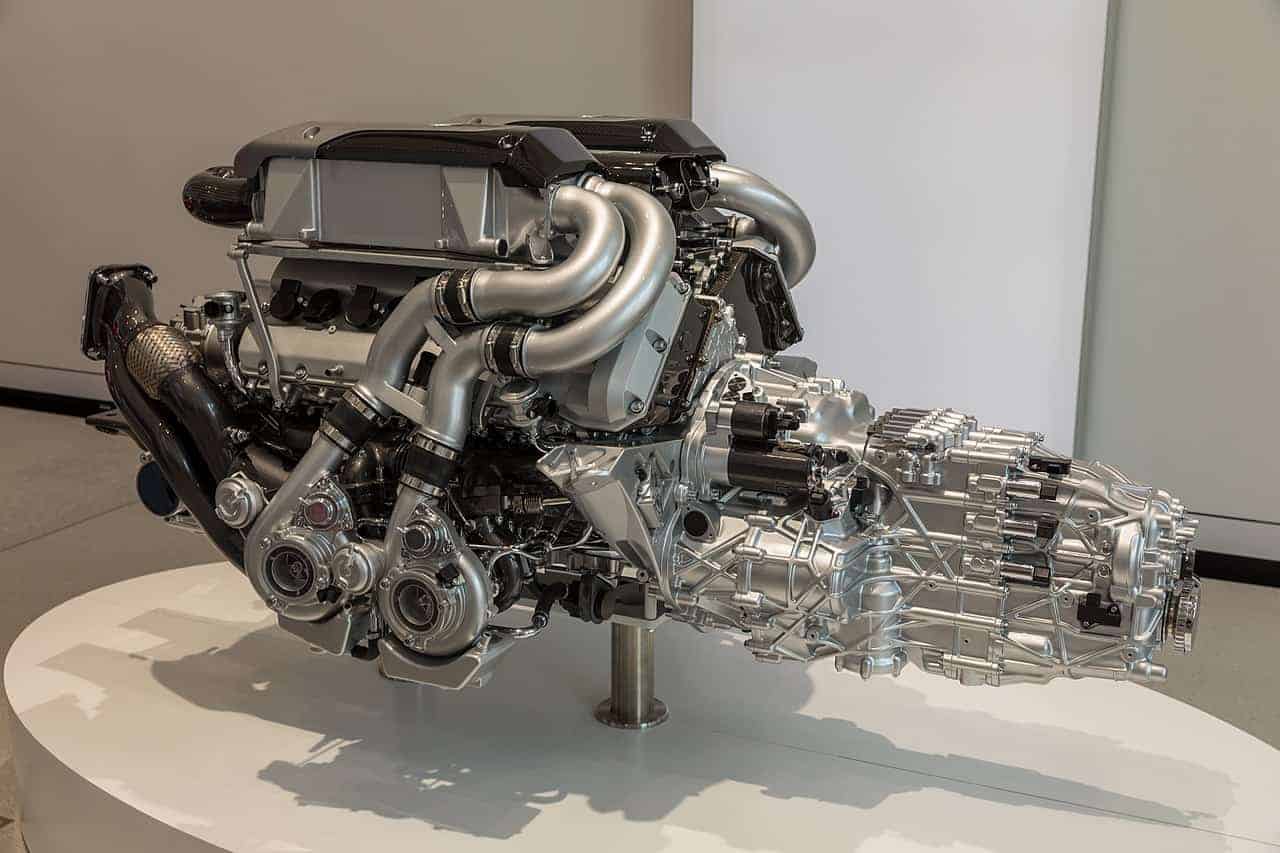
  • It has an 8-liter W16 engine which has four turbochargers.
  • It has a top speed of about 261 miles per hour.
  • It weighs 4,162 pounds.
  • It measures in length, width, and height 4,462 mm, 1998 mm, and 1204 mm, respectively. The wheelbase measures 2710 mm long.
  • It costs $2,998,000.
  • It has about 1,180 ft-lbs of torque from 2,000 RPM – 6,000 RPM, and it has a 1,500 horsepower engine.
  • It has a seven-speed automatic transmission.
  • It has about 60,000 liters of air pumped through the engine each minute.
  • It has about 800 liters of water pumped into the engine for cooling. 
  • Lite materials, such as carbon fiber and titan, are used in the engine to help power.
  • It gets about 7 miles per gallon fuel efficiency, although it does go about 0-60 mph in about 2.3 seconds.
Bugatti Chiron engine
Photo Credit: By Matti Blume, From: https://commons.wikimedia.org/wiki/File:70_Years_Porsche_Sports_Car,_Berlin_(1X7A3942).jpg

How does the Interior of Bugatti Chiron Look?

The interior of the Bugatti Chiron is very luxurious. (See official website)  The interior cabin has two racing-style seats made of fine materials. A console in between the seats separates the passenger and driver and has a bit of a feel of an airplane cockpit. It remains elegant and has enough control options without the clutter of too many electronic displays.


Where do They Test Bugatti Chiron?

This car is tested at the factory using various instruments to measure output and determines its performance. They also test the speed at the airport in Molsheim, France.

They also test drive the car about 200 miles on highways and mountain roads. They check for car performance and handling. 


Bugatti Points of Interest

Bugatti


Some Facts Related to Bugatti

  • In 1924, one of the models called Bugatti was the best racing car ever built. It won more than 2,000 racing during that time.
  • The Bugatti Veyron was limited to only 300 units. All the units were sold out in 2011. On the other hand, the Bugatti Chiron is limited to 500 units. 
  • In 2009, the company celebrated its centenary. To do so, they have presented models in colors of the countries, such as green for Britain, blue for France, white for Germany, and Red for Italy.
  • In the year of 2010, Bugatti Veyron 16.4 made a world record. It recorded a speed of 431.072 km/hr. This was the Guinness Book of World Records for the fastest car in the world.

Names Behind this Astonishing Creation

  • Chief Designer – Hartmut Warkuss
  • Exterior Designer – Jozef Kaban
  • Engineering Chief – Wolfgang Schreiber

The Veyron was released in 2005 and was loaded with a high level of luxury and performance. All you need to do is to press the pedal, and the magic will happen in a fraction of a second. It helped the Bugatti names continue to be an example of amazing modern engineering for a sports car.

The latest ongoing production car for the Bugatti car is the Chiron, released in 2016. It is known for its amazing speed, which is limited on purpose, so it doesn’t go dangerously too fast.

In 2018 Bugatti also released the Divo, which was limited to 40 cars, so they were purchased immediately. 

The most appealing fact about the Bugatti is its design. It was designed with a futuristic touch. There is no other car quite as unique in style and engineering. 

Although Volkswagen now owns Bugatti, all the cars are sold through Bugatti channels only. If you are looking for Bugatti Chiron in a Volkswagen store, you will not find it.

The journey of Bugatti started in 1909, and still, it is making the most astonishing cars in the world. Although the journey of the Bugatti is filled with ups and downs, the fact is that Bugatti still manufactures the fastest car in the world.

These vehicles are specifically engineered, and there are no Volkswagen parts in Bugatti cars, even though Volkswagen owns them. Volkswagen is the parent company that has given complete freedom to Bugatti to create their creation exactly as Bugatti sees fit. This allows them to make an ultimate sports car now and into the future!


Conclusion

You may be interested in a timeline video of the main points of Bugatti’s history.  This car brand has certainly made an impression on many people and shows how far style and power can be pushed to make a very impressive sports car.

If you would like to learn about skills you can use to become a skilled driver, try reading this article. Thanks for your interest in Bugatti, and I hope you find other topics of interest at Drivivinglife.net.

How To Solve The 4l80e Transmission Problems?


Transmission Problems

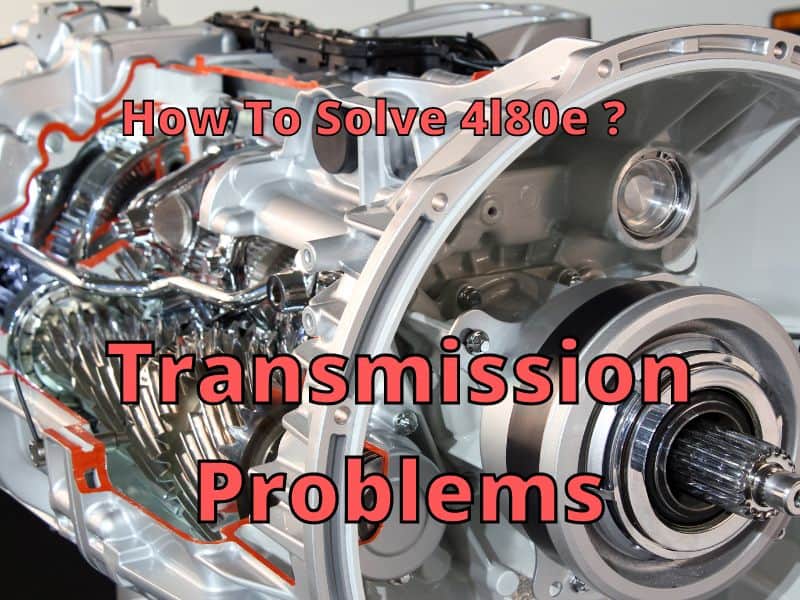
Are you facing 4l80e Transmission problems? Well, the 4l80E Transmission is a 4-speed overdrive transmission. It is one of the best overdrive transmissions. It is found in vehicles like the Jimmy, Astro, Camaro, and Safari. You might be facing some issues with this automatic transmission. Don’t worry; let’s see if we can figure it out together.

The solutions for 4l80e Transmission problems differ depending on the problems. Here is the list of some common transmission problems and solutions for the 4l80e

  • Inspect transmission fluid leaks from your car.
  • Use an OBD2 scanner to scan your car’s computer for any problems.
  • Use an OBD2 scanner to find out if your car is in limp mode.
  • Check if your torque converter is working properly.

This guide can make your solution a bit easier. In the case of more severe issues, seek the help of a professional.

Below are mentioned the common problems that you may face. This heavy-duty transmission has a lock-up torque converter and is electronic, and is made for working hard. So they may suffer damage at times.


1. Transmission Fluid Leaks

You may face the problem of fluid leaks. Have you ever parked your vehicle overnight, and when you came out the next morning, you noticed some liquid had leaked? Leaks are common problems with most vehicles, but it’s important to prevent and stop leaks when they occur.

Once you have time to inspect your car, determine where the leak is coming from. Always follow safety measures when inspecting your car and wear clothing that can get dirty. First, allow the vehicle to cool down. Then use a flashlight to check near where the leak seems to be. 

The fluid that is leaking may come from right above the spot on the ground. A common area for leaks is the front seal which is located near the torque converter. The other areas are the rear seal, pan gasket, transmission lines, and the area around the electrical connections or sensor.

Solutions: Get a new gasket and seal installed or try a bottle of stop leak. (See video


2. The RPM of the Engine can Flair when the Car is put in the Gear

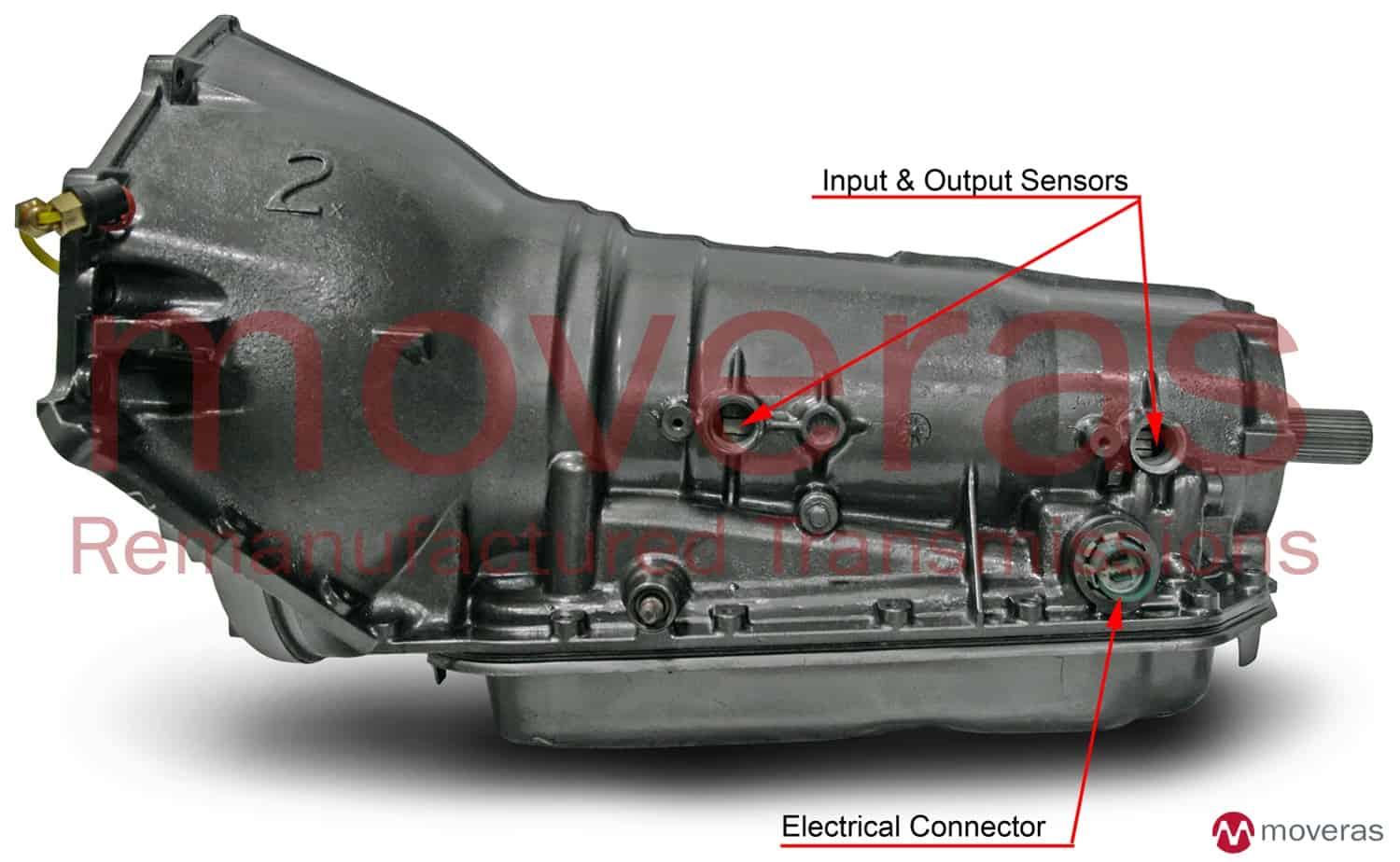
4L80E transmission problems
Photo Credit: http://www.moveras.com/TechnicalSupport/QuickReference/TechnicalSpecs4L80E.aspx

If you would like to diagnose a problem with your transmission, it can be very helpful to have an OBD2 scanner. You can also rent one from a local auto part store. These tools easily attach to the OBD port under your dashboard.

You can then scan the car’s computer for any problems. This tool will help you diagnose problems, including if you have a bad sensor that can put the car in limp mode.

Some things to think about if your transmission flairs are that your transmission is slipping due to worn gears, the band is not working or broken, low or leaking transmission fluid or the torque converter has issues. If one of the solenoids is not working, this can also cause shifting problems.

If your vehicle has something broken, you need to pull over as soon as possible to get the problem fixed before more problems occur. 

Solutions: The first step is to check the fluid level, check for leaks, and use an OBD2 scanner. These are easy and fast ways to diagnose your problem. You may need to do one or more of the following to fix your transmission if it flairs when shifting.

Replace worn gears, have the band replaced or have them adjusted, get transmission fluid filled and leaks stopped, have torque converters fixed or replaced, and solenoids connected (if connection issue) or replaced.

It’s best to get help from a professional and decide if it might be best to just replace the transmission with a new one. Repair costs can be almost as much or more than buying a new one. A remanufactured one can be another good option. Labor for getting one Installed should range from about $800. 


3. Limp Mode

If you have had a problem where you can only shift into reverse or second gear, then you might be in limp mode. This mode is triggered when the computer tries to protect your transmission or engine from serious damage.

This is when an OBD2 scanner can come in helpful. It can tell you whether a sensor is malfunctioning or the transmission has a serious problem. 

If you don’t have a scanner, you can take it to a trusted mechanic or auto dealership for diagnosis.

Some main issues that can cause the transmission to trigger limp mode are the solenoids and the ECM (engine control module). 

Solutions: It can be the shift or TCC (torque converter control) solenoid. Any easy fix might be checking the wiring to the transmission for shorts or loose connections. 

The ECM can also pose a problem that can result in the limp mode of transmission. A quick fix to this problem is to restart the engine. Sometimes the ECM just needs a reboot, and other times it may need replacing.

Use an OBD2 scanner to see what could be the issue. It might be an easily replaced sensor.

4L80E transmission problems
Photo Credit: https://www.novak-adapt.com/knowledge/transmissions/automatic/4l80e/

Other things to consider: If your vehicle is in limp mode, the issues can be in the input or output shaft sensor, shift solenoids, and sensor of speed.

If the transmission is not shifting automatically, you might need a new PCM (powertrain control module). Checking the wire might be why things aren’t working as well.

The last reason is if there are harsh shifts from N or P, then the EPC (electronic pressure control) may have failed. 


4. The Problem is coming from the Lock Up Torque Converter

The torque converter, when working properly, should allow the lock-up clutch to apply pressure to the converter and transfer the correct torque to the transmission. This connection between transmission and engine can only occur properly if the torque converter is working well.  

A properly working one results in reduced emissions and improved fuel economy. But if the torque converter clutch fails, this can cause problems with overheating and torque converter issues.

One problem with the torque converter can arise due to the bad wiring of the cruise control. There can also be a malfunctioning sensor that senses the speed of the vehicle. 

Solution: Almost all problems with transmissions come as a result of low, too much, old, or burned-up transmission fluid. Never avoiding proper maintenance of the transmission by changing the transmission fluid at regular intervals.

Run a diagnosis using an OSD2 scanner to see if any sensors are malfunctioning. You can check the wiring and secure any loose wires. 


5. Other Transmission Problems

4L80E transmission problems
Photo Credit: https://ls1tech.com/forums/automatic-transmission/1665270-4l80e-z06-who-has-done-wants-do-2.html

In this video, they show how the transmission is taken apart, and at the end, it discusses a few of the common issues with this type of transmission.

As seen in the video, some of the problems that can occur with the 4l80e occur when it starts to overheat. Overheating can occur when pushing the car to operate for longer periods of high torque. 

The video also says that when the transmission fluid gets low, the clutches can start to burn or wear out. This can result in the wearing of the drum so that only partial pressure can be applied when trying to change gears.

The last issue discussed in the video is when the planetaries start to function incorrectly because of heat from the low fluid. This results in wobbling that may cause the sun gear to break. 


Conclusion

The problems and solutions mentioned above are for guidance only. If you encounter a problem that is not within your skill set, go for an inspection at a trusted transmission mechanic. Or if your transmission gets worse over time, even though you’ve done all you can, it’s best to get it inspected by a professional. 

If you are interested in fixing your own transmission, you might be able to get it done with a little help. If you go to transmissionbench.com, they have step-by-step videos to help you work on your transmission as well as parts.

I like that the instructor gives you simple, effective instructions and helps you through each step, explaining names and concepts as you go. This is a sample video from his course. 

If you have questions about other vehicle transmissions, take a look at the following bullet points. 

  • GEO tracker transmission problems – Maybe your 4l80e has some of the same issues as a Geo. 
  • Maybe you can only easily start your car in the second gear. You can make your HP tuners work by setting the 1-2 shifts to 0 mph.
  • If the problem persists, you can try replacing axle shafts. You can also weld it up to avoid serious issues while driving your vehicle.
  • Trailblazer transmission problems – If you are experiencing a warning light on your dash, your trailblazer may have an issue. You need to check the codes and possibly do a hard reset.
  • You must also check your transmission fluid. Check that it is full and the correct color.
  • Old transmissions may just need to be rebuilt with new parts to function well. Getting a rebuild kit (see video) if you know how to work on transmissions might work for some people.

Why Do Volkswagen Cars Smell Like Crayons?


Volkswagen Smell Like Crayons

This common question is asked by almost all the users of Volkswagen cars – “Why does it smell like crayons?” This question is usually asked by car owners when they first drive a Volkswagen. If your car smells as if crayons are melting, you are not alone. So what is the answer to this question?

Volkswagen cars smell like crayons because the wax is used in the production of the car for both rust prevention and isolation. If any wax were to melt, then a smell of crayons would occur. 

If you’ve been asked by your friends and family about the smell, it might leave you wondering if there’s a problem with the car. We’ll discuss this question more and how Volkswagens can smell melting crayons. Below we’ll discuss why the interiors of Volkswagen cars smell like crayons and what generates this odor.


Why do Volkswagens Smell like Crayons?

If your car has a weird smell of crayons, then you don’t need to worry that something has gone wrong with your car. It doesn’t have to do with anyone playing a prank on you, either. So, what is the reason?

Below are a few of the reasons for this phenomenon.

  • One of the possibilities is that the smell comes from the wax, which was used during the production process of the car. This wax is used so that the car can be protected from rusting. The crayon smell is more common when the climate is very hot, which leads the wax to melt and releases the strange crayon smell.
    • Paraffin wax is most likely used on the undercarriage of the car, which happens to be what crayons are made of.
  • Another possibility is that the smell comes from the insulation material, which is used below the carpet, located at the back of the dash. This material has a heavy coating of wax. So, there are chances that the crayon smell comes from this insulation material.
  • These possibilities are usually accompanied by the summer season or when the climate is hot. During such climates, the wax which coats the car frame inside becomes hot and starts to melt. This melting wax can be a reason why Volkswagens smell like crayons.

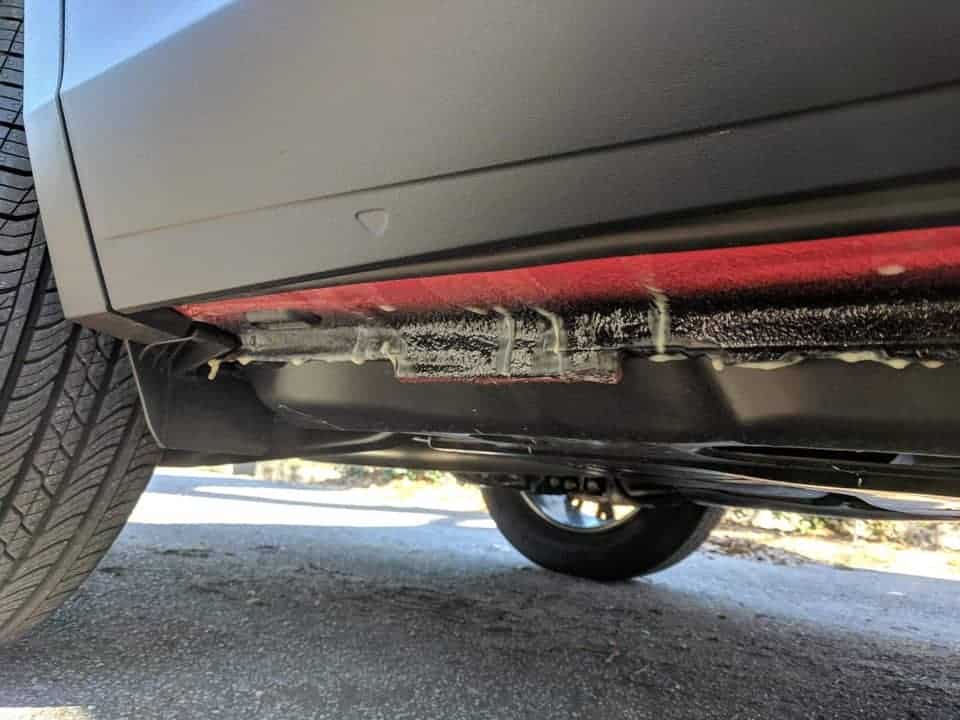
The most accepted reason why Volkswagens smell like crayons is because of melting wax. The wax, which is used to coat the undercarriage of the car, melts in the hot climate. You will also observe some dirt stuck on the melted wax under your car.

Sometimes people will also apply the wax spray to interior areas of the car that are prone to moisture. (See Article)

When the wax melts, the odor that it releases can smell like that of crayons, so you might wonder if you need to do something about it. 


What can be done to Minimize and Eliminate the Smell of Crayons from the Car?

wax undercoat
Photo Credit: https://www.reddit.com/r/whatisthisthing/comments/7sotxr/what_is_this_gluelike_stuff_on_the_bottom_of_my/

This odor will likely go away when the weather cools down. The smell of crayons may bother some, and removing this odor will make some have a more enjoyable experience inside their car. Here are some solutions you can try to get rid of the smell.

  1. One way to remove the wax coating and apply another rust protection product, such as a rubberized undercoating spray or other coating sprays. This will help you to turn the odor of crayon into a less smelly solution.
  2. One other way is to remove the carpet and determine if the insulating material under the carpet is made with a wax coating. You can replace it if needed, and you will no longer smell any crayon smell, which had been irritating you. You can also install better insulation to reduce road noise in its place.
  3. You can also use an ozone car plugin to eradicate smells from the car. Some oils and fuels can have a smell that might be a tiny bit like that crayon smell if they are leaking on a warm or hot engine part. Check for any leaks if you suspect the smell is coming from oil or fuel.

One of the easiest ways to find a temporary solution is to use an odor spray. You can also try activated charcoal to absorb odors. These can help control odor in your car. 

If you are not troubled by the smell, then there is no need for you to look for a solution. The problem will eventually go away, but if you feel determined to correct the problem, you can try one of the solutions above.


Conclusion

Many cars have a wax coating to help protect them from rust. Sometimes that wax can melt and start to smell. Some people think it smells just like crayons, probably because the wax is the same that is used in crayons. 

I hope that article has been informative and helpful for you if you’d like to learn more about ways to keep your car running well, see our articles and reviews

How To Use Rubbing Compound To Get Rid Of Car Scratches?


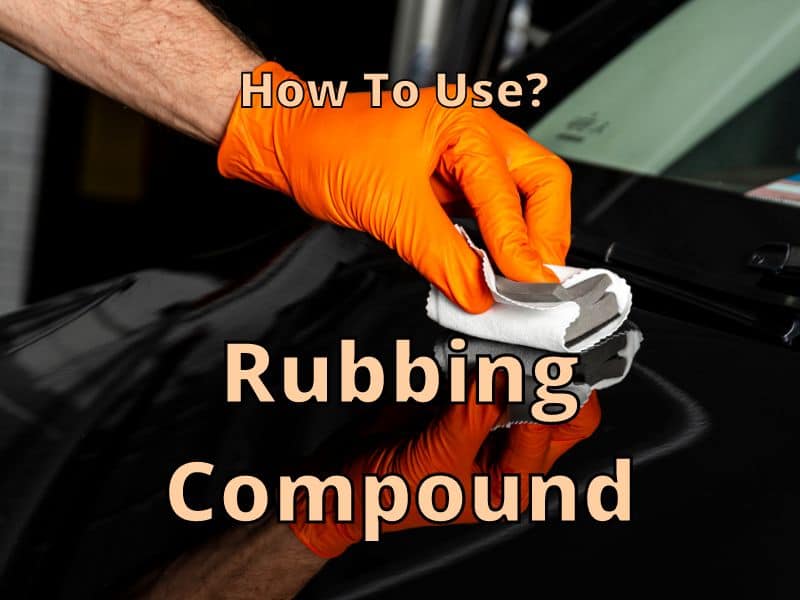
How To Use Rubbing Compound

​Are you terrified of getting scratches on your car, even when doing everything the right way? Good news and bad news. Most cars will get scratched, but there are ways to remove them. This guide will help you get rid of scratches you may see.

Car scratches can occur due to various situations, such as Accidents, Collisions while reversing your car, Small rocks flung by cars, Parking mishaps, etc. Here are a few steps you need to follow to get rid of car scratches:

  • Step 1: Clean the Surface of the Scratch
  • Step 2: Sanding Down to the Layer of Scratch
  • Step 3: Use Rubbing Compound.
  • Step 4: Polishing, Painting, and Waxing

Even a minor scratch on your car could ruin its overall appearance and make you disappointed. If you take it to a car body shop to apply a new coat of paint or a minimal touch-up, it could cost quite a bit.

We will give you options for using rubbing compounds to remove scratches all by yourself. This will bring back your car’s appeal.


Types of Scratches

​Lighter Scratches​Deeper Scratches
Use a rubbing compound.Use sandpaper (Possibly 3000 & 5000 grit)
Compound by itself works on lighter scratches.Sanding needed with deeper scratches
Removes swirls in paint and oxidationUse a rubbing compound to remove swirls, scratches, and oxidation.
Easy to clean offShould use wax as well to protect the sanded area.
Works quicklyYou can use a touch-up kit or clear coat touch-up if the scratch has gone down to the paint or metal – although results may vary.
It may not remove medium or deep scratches.More time needed
Different compounds remove different levels of scratches.Caution is needed when sanding, so you don’t sand off too much clear coat.

When you see a scratch in your paint, you’ll first need to evaluate the type of scratch it is. If the scratch is light, you shouldn’t be able to feel it grab as you move your fingernail over the scratch. This means you can use rubbing compound by itself. 

A deeper scratch will grab your fingernail as you move it over the scratch. This usually means that some sanding may be required. 

A deep scratch or chip that goes down to the paint surface or car body will need to be filled in with touch-up paint and or a touch-up clear coat. A dealer may be able to provide you with the correct paint touch-up color, or you can try to match the color with a touch-up kit. 


Get Ready to Start!

scratch-from-your-car

Get the following items ready to use when removing a scratch from your car:

Light Scratch:

  • A rubbing compound: It is an abrasive material that grinds the surface layers of dull and damaged paint. It creates a smooth surface and helps remove light scratches, as if by magic! 
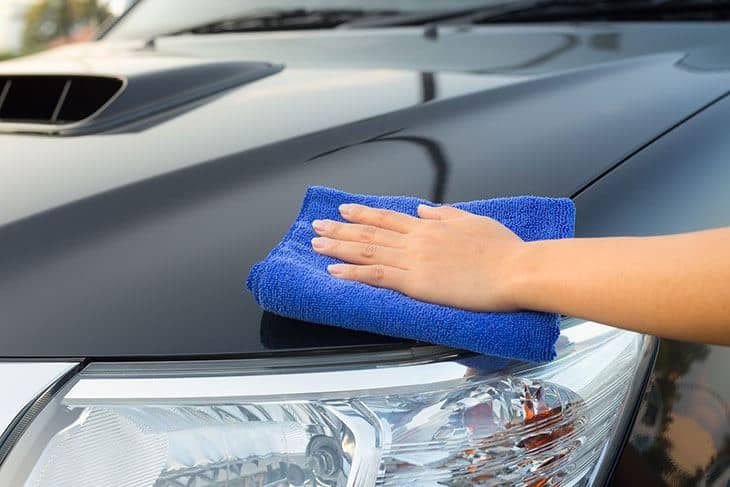
  • Soft fabric cloths:  You can use a microfiber cloth for applying compound and wax, cleaning the car, cleaning off surfaces when done with rubbing compound, and wiping off wax.
  • Car wax: to give a final finish. 
  • Soapy water: to remove dirt completely.

Deep Scratch:

  • Sandpaper: Get ultra-fine 3000 and 5000-grit wet/dry sandpaper. 
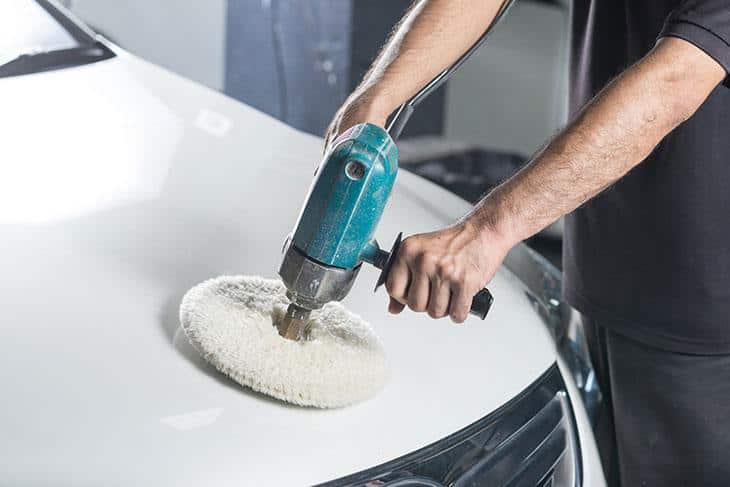
  • Orbital polisher or a buffing machine: This is optional. It may make sanding and wax a bit easier. 
  • Wool pad: to fix over the orbital polisher
  • A rubbing compound: Same as above
  • Soapy water: to remove dirt completely
  • Car wax: to give a final finish. Get paste, as this works better after sanding.
  • Soft fabric clothsFor cleaning and applying.

Below Clear Coat Scratch or chip


How to Remove Scratches from Your Car?

By keeping all the above necessary items ready, you are all set to remove the scratch by yourself. But of course, you need to follow certain techniques to use them efficiently. This guide will teach you how to use rubbing compounds to get rid of scratches.


Step 1: Clean the Surface of the Scratch

Clean-the-Surface

Before you apply the rubbing compound, you have to clean the area which has the scratch so that the rubbing compound can work well on the scratch. With a little extra effort, you can clean the entire car surface, which is similar to getting two things done in one shot.

  • With soapy water, clean the entire car surface.
  • Rinse the surface with plain water after cleaning with a soap solution.
  • ​Clean it up with a dry cloth.
  • Inspect the car as to which areas need to be worked on to remove scratches and determine the intensity of the scratch. (Look at types of scratches)

Step 2: Sanding Down to the Layer of Scratch

the-Layer-of-Scratch

(If you have a light scratch or down to the metal scratch or chip, you can skip this step)

Some scratches won’t respond to rubbing compound until the scratch is sanded down. Our goal is to make the scratch invisible. To achieve this, we are going to remove part of the clear coat until we get to the scratch layer. Fine grit sandpaper will help you slowly remove a bit of the clear coat.

We should not sand below the scratch layer, or we may remove the clear coat. Some people use dark or light shoe polish to fill in the scratch. Then, as you sand, you can start to see the scratch go away.  

  • Place the 3000-grit sandpaper on a wooden block and generously apply water and soap solution to perform smooth sanding.
  • Sand the scratch using light pressure at 90-degree angles to the scratch.
  • Perform up and down motions about an inch above and below the scratch.
  • Dip the sandpaper in water and soap solution frequently to make the process easier.
  • Perform the above steps until the contrasting mark of the shoe polish disappears. (If the shoe polish washes away, periodically wipe away any water to see if the scratch is still there)

In order to get a better result on your finish, use 5000-grit sandpaper to help smooth out the scratches of the sandpaper and blend the area into the surrounding paint.

  • Place the 5000 grit sandpaper on a wooden block and generously apply water and soap solution to perform smooth sanding.
  • Sand using light pressure in a circular motion about an inch or two above, below, to the sides, and on the dull sanded area. 
  • Dip the sandpaper in water and soap solution frequently to make the process easier.
  • Perform the above steps for a minute or two until the area looks the same wherever you sanded. 
  • Wash off and wipe clean.

Step 3: How to Use Rubbing Compound?

(If you have a down-to-the-metal scratch or chip, you can skip this step)

Let us see how to use rubbing compound after you have sanded (if needed) the area and everything is smooth.

Using a buffing machine method:

  • Fix the wool pad at the center of the orbital polisher.
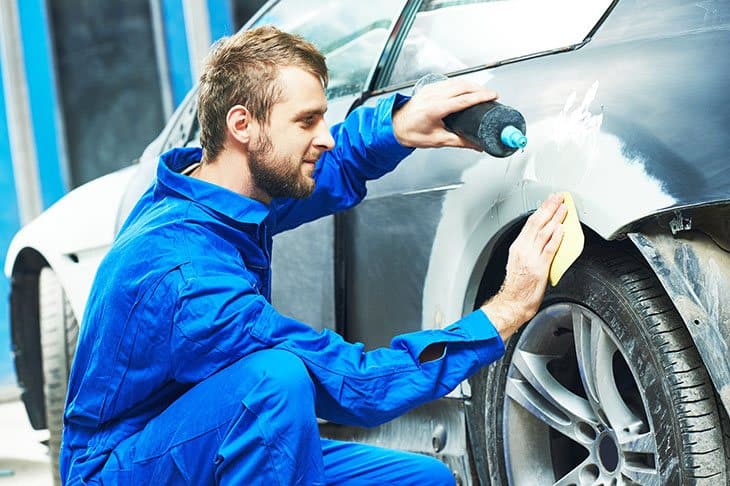
  • Apply a thin line of rubbing compound over the dull sanded area directly on the painted surface. You can find most rubbing compounds in a squeeze tube for ease of use. If it is in a can, scoop out a little compound using a paper towel and apply it over the dull paint.
  • ​Set your orbital polisher into motion over scratch. This is the easiest method to spread the rubbing compound.

Using your hand:

  • Apply enough rubbing compound over your microfiber towel to cover the dull area with a thin amount of compound. 
  • Apply the rubbing compound using firm pressure as you rub in a circular motion over the dull sanded area with a microfiber towel. 
  • Apply more rubbing compound until the area is no longer dull. 

It’s important to use a separate wool pad when spreading the rubbing compound and use a separate one for waxing the car surface.

It is also necessary to remove the rubbing compound completely using a towel before going to the next step.


Step 4: Polishing, Painting, and Waxing

Painting-car

Polishing:

After cleaning off any rubbing compound, you can use another wool pad and polish the surface. This isn’t necessary but may help the overall shin. 

Painting:

If you have a scratch that goes down to the metal, it is easiest to use a touch-up kit or putty and paint. A chip or scratch won’t respond to rubbing compound if it goes down to the paint or metal. Although if it goes down to the paint, you may be able to use just an application of a clear coat. Here’s a video with more information. 

Wax:

It is important to protect the area you applied the rubbing compound. If you sanded, using a paste wax works best. If you had a light scratch, any wax should work fine. Now you can step back and enjoy your hard work!


Conclusion

The above steps will help you remove scratches if you have followed the steps properly. You can remove light scratches easily and deeper scratches with some time and patience. 

As you learn, your experience will grow, and you can master the art of scratch removal. If you successfully follow the steps above, you can look confidently at the work you did by yourself and enjoy a beautiful paint finish. For more information on keeping your car in its best condition, use the search bar or go to the article posts.

Foggy Car Windows? 3 Buy it Vs Do it Yourself Options.


Foggy Car Windows

I have used my hand, tissues, clothing, rags, and a defogging spray to help remove fog from the window. I usually turn on the heat and set it to blow on the window. Sometimes these methods work better than other times. The problem is that there are no perfect solutions, but there are some good options available.  

Buying products to help with defogging can be helpful, but you can also use productions that are available in your house or the dollar store to do the same job. The one that will likely be better depends on what product and method meet your needs best. Here are 3 buy it vs. DIY options for your foggy car windows.

  1. Anti-fog Application Vs. Shaving Cream
  2. Window Cleaning Spray Vs. Water Bottle Sprayer
  3. Fog Cleaning Sponge Vs. Microfiber Cloth or Rag

Windows can get fogged up in all sorts of weather. Being ready for foggy windows is important for your safety and will allow you to react to fog in a safe and effective manner. I like to remove any fog from the windows when I am at a stop, even if that means using a tissue to clean the glass. I won’t drive if the fog impairs my vision, but I will adjust the heater and AC controls until the fog is under control.


What is Fog?

Fog is moisture in the air that condenses on the inside car windows as tiny water droplets. As you breathe, you release moisture in your breath, and that’s why cars tend to get foggy faster when more people are inside.

Fog usually occurs in colder weather, and moisture inside the car wants to condense on the cold window. In these conditions, fog can occur until something changes. 


What Should I Do if Fog Occurs?

Cleaning the window can also have a big impact on how foggy the window appears. Water droplets need something to form on, and little particles of dust or dirt make it easier for the water to condense on the window.

Bringing in dry air from outside can help. Raising the temperature near the window and car cabin can also help. Recirculating the air inside the car cabin doesn’t helpso turning off recirculate is helpful. Opening the windows a little can help exchange some of the moist air for drier air.

 (If your windows are starting to fog, pull over if your visibility gets too poor to drive. Preparing beforehand will help you stay safe and see clearly.)


Ways to Help with Foggy Windows

Try one of the following methods that can help with removing/preventing fog from forming on your windows. This video shows effective and less effective solutions.

Which of the following methods do you think will work best for you? Buy it or do it yourself?


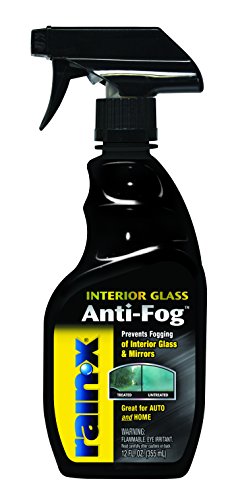
1. Anti-fog Application Vs. Shaving Cream

BuyDo It Yourself
ADAD
Effective at preventing fog.Effective at preventing fog.
Easy to apply.Easy to apply.
Easy to buy online.Readily available for most people.
Can find it at the dollar store. 

Some people have also tried toothpaste with some success. It tends to leave a slight amount of fog, though. The smell may put some people off, yet others will enjoy a minty aroma.

AD

When you apply a product that helps prevent water droplets from forming on your windows, you will be able to drive with little worry about fog and visibility.

Clean the windows first. Then, use a clean cloth when applying your choice of anti-fog products. Last, make sure to wipe it clean with a clean cloth as well.

These products don’t last for more than a week or two and will need to be reapplied. You will need to reapply earlier if you use a cloth to wipe off the windows for cleaning or for any other reason. 


2. Window Cleaning Spray Vs. Water Bottle Sprayer

BuyDo It Yourself
AD
Easy to use.Easy to use.
Effective and fast at cleaning.Good at cleaning.
Easy to buy online.Supplies are usually readily available.
Leaves, no streaks.Can find it at the dollar store.

When you clean your windows, your making it more difficult for the water vapor to stick to the smooth surface, and it will dissipate easier when air is blown over the window. 

A clean window is one way to prevent fog from sticking around, and it helps prevent glare when the sun is shining. 

You’ll need to clean your windows before applying an anti-fog treatment as well, so it will work effectively. 

Whether you buy a glass cleaner or mix your own solution, such as soap and water or half water and half vinegar, you’ll be able to get a clean and safe window to look out of while driving.


3. Fog Cleaning Sponge Vs. Microfiber Cloth or Rag

BuyDo It Yourself
AD
Easy to use.Easy to use.
Effective and fast at cleaning/removing fog.Good at cleaning.
Easy to buy online.Usually readily available.
Can find it at the dollar store. 

Just like cleaning your windows with a cleaning solution, a cleaning pad or microfiber cloth helps clean the windows and remove fog at the same time.

If you press hard and remove the fog as well as the dust and dirt particles, the fog will be less likely to stick around once the air starts to blow over it from the car heater and AC.

A cleaning pad or cloth can be stored somewhere close, so when you encounter fog in the morning or at other times, you can help prevent the windows from fogging up as much. 


Being Prepared

In order to be prepared for your next fog encounter, take a few measures to ensure the best result for driving safely.

  • First, makes sure you have at least one method to help you deal with fog when you encounter it. Maybe you want to have a microfiber cloth with you at all times.
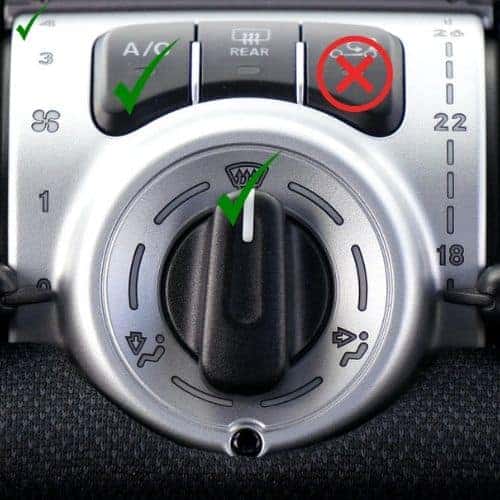
  • Second, if you have a car heater turn it on with the airflow setting to the window. This may start to fog up your windows but will help prevent some of the moisture in the air from condensing on your window later. Turn the fan setting to high.
  • Third, turn on the AC as well if you have one. Both the heat and the AC can bring faster results.  The AC brings in dry air and will help the moist air to be removed faster.  
  • Fourth, turn off the recirculate air button. You want to bring in drier air from outside and not trap all the moist air inside the cabin.
  • Last, open the windows a bit to let in some more dry air and let the moist air leave. If you use this method, the air moisture will be controlled, leaving you with no fog worries.

Essential Factors to Consider

When choosing the method for defogging, here are some of the factors that you may want to consider:

  • Time and Effort: Since defogging is a constant effort for some people each day, think about what can provide you with the most benefit with the least amount of time and effort. 
  • Cost: If you’re on a budget, you may want to try inexpensive methods for fog removal. Your house probably has the items you may need, or you go to the dollar store.
  • Ease of Application: If you’ve got things to do and places to go, you may not want to spend thirty minutes every other week cleaning and applying an anti-fog product. Sometimes a rag for fog removal and the defrost settings can work fine.
  • Health: Some anti-fog and cleaning products have chemicals that people are sensitive to. If you aren’t sure or know you’re sensitive, try something natural that you already trust.

Conclusion

Choosing an option for defogging your car should be an individual decision based on what works best for each person. Look for the characteristics of the anti-fog methods that best suit your wants and needs. 

The best defogging product for you should make it safe for you to drive and clearly see what’s on the road ahead of you.

I hope the information provided can help you make a decision on what you want to do. Looking for other car information? Click here for more reviews on car products.